Saturday, January 26, 2013

First Cat Sighting on Campus/キャンパスで猫見掛けるの初めて

図書館に行っているところで、駐輪場に何か栗鼠よりでかい物見掛けた。でも犬ほども無かった。まさか!と思って、近く見てみたら、猫だった。野良犬が多いせいか、今までキャンパスでは見た事が無かった。
I saw my first cat on campus recently.  I was on my way to the library when I caught something small moving just in the corner of my eye.
There are a lot of stray dogs on campus.  Perhaps because of all of the dogs, I don't see many cats.


 ポーズしよる。この猫野郎。
He acknowledged me for a second here.  Just a second.

Thursday, January 24, 2013

More Wildlife on Campus/キャンパスの野生動物

台南の冬は最高に気持ちいい。俺みたいな緯度の高い所から来とる人からすれば、昼間は春みたいに暖かい。そのせいで、最近俺はめっちゃ弁当に嵌まっとる。弁当ば買って、成功大学の綺麗なキャンパスで食事するのは本当に最高だ。
Tainan's winters are pretty much perfect from the perspective of those of us from northern latitudes.  To me, every day recently has felt like spring during the middle of the day.  As a result of the weather--and of how pretty Cheng Da's campus is--I've been eating outside a lot recently.
 キャンパスの栗鼠は皆この黒い種だ。
The squirrels on campus are all this black variety.
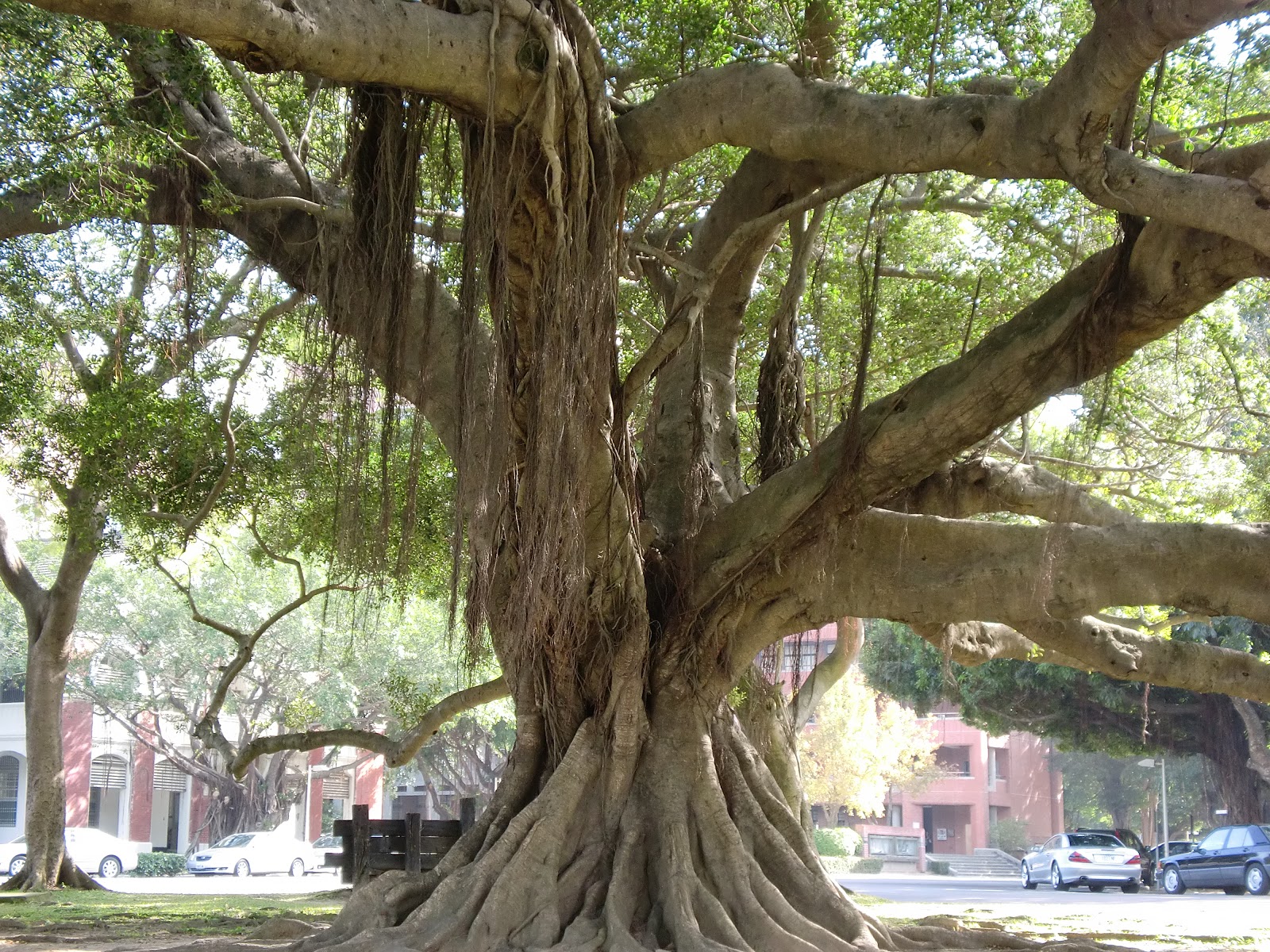
 大きなガジマル木が沢山有る。
This is a banyan tree.  The ones on campus are old and huge and provide very good shade.  Shade's important since the sun here is pretty strong even in the middle of the "winter".

 外で食事するのはいいけど、一つだけ気を付けないといけないところが有る。ガジマル木の下で食事すれば、鳥の糞と写真に出とる毛虫が時々落ちて来る。
 There are just two things you have to watch out for if you have lunch under a banyan: bird poop and caterpillars.  I don't know for sure since I haven't tried touching them, but there's a good chance that those hairs on the caterpillar are protective, and if you touch them they'll probably make you itchy.  Still, I think the caterpillars are cute!
 毛虫は、触ったらもしかして痒く成るかもしれないから、有る意味で面倒臭いけど、一方ではちょっと可愛い。
Look at the little guy!

Saturday, January 19, 2013

Black and White Bird/白黒の鳥

最近、俺は朝の三線練習の場所を移動して見た。寮により近い学生活動センターの前で最近練習しとる。大きなガジマル木がそこに有る(と言うか、キャンパスのどこにでも有る)ので、朝にはいつも鳥が沢山あっちこっち飛んどる。鳥はガジマル木に棲む事を好むみたい。この間この綺麗な一羽を見掛けて、写真を撮った。どの言語にしても名前分からんけど、兎に角綺麗。
I've been practicing in front of the student activity center on campus recently because it's a bit closer to my dorm, so it's easier to go home and drop off my instrument before going to class.  There are a couple of Banyan trees, which birds seem to love living in, nearby, so every morning I'm treated to the sight of lots of birds darting around in front of me as I practice.  I got some pictures of this neat black and white one recently.  I have no idea what it's called, but it's a smart-looking bird. 


で、ここでもう一つ面白いニュースが有る。或る日、練習しとるところで、急に五人の集まりがよって来て、日本語で話しかけた。日本人だった。一人は台北に住んどらす本土の人、一人は台北に住んどらす沖縄の人だった。後、二人は沖縄に住んで、レストランを営業しとらす。また、日本語が喋れる台湾人も一人居らした。
彼等は成功大学にラジオ番組の為に取材をしに来らした。偶々俺の三線の音が聞こえて、見に来らした。しかも、その台北に住んどらす沖縄の方は沖縄の音楽をもっと台湾で広めようとしよるって。彼は俺にうちなーぐちでちょっと話したけど、悔しい事に、俺は最後の「ちゅらやいびん」しか分からんやった。(うちなーぐち習いたいなぁ。)
こう言うハペニングは三線のお陰だ。音楽と言う不思議な力はこの世を繋げとる。
I also had an interesting experience recently while practicing here.  A group of five people came up to me and started speaking to me in Japanese.  It turned out that 4 of them were Japanese.  (One of them was Taiwanese, though she could speak Japanese as well.)  One of them was a mainlander who lives in Taipei, and one was an Okinawan who also lives in Taipei.  The other two live in Okinawa and run a restaurant.  They had come to Cheng Da's campus to collect material for a radio program, and they had run across me totally by coincidence.  Also, it turned out that the Okinawan guy who lives in Taipei is also involved in trying to make Okinawan music more popular in Taiwan!
I've had a number of experiences like this thanks to the Sanshin.  Music is magic.

Thursday, January 17, 2013

Hospital Design/病院のデザイン

一昨日、健康検査を受ける為に、近くに有る台南病院に行って来た。「台南病院」と言う看板がもし無かったら、俺は本当に病院がどこに有るか分からんやったかも!見た目は全然アメリカ人の俺の「病院」のイメージに合っとらんけん。凄く中華風に成っとる!
また、中に入って、地図ば見たら、中華医療部も有ると気付いた。(「中華医療」は俺が考えた訳し方。漢方薬とか、針療法とか、昔から中華系の人が使っとる治療法を指しとる。正確な日本語の名前分からん。)台湾ではこの中華医療は一般人にだけじゃなくて、政府にも認められとる。病院にこう言う専門家も居るし、国民保険もカバーして呉れる。
その時、俺台湾に居るなぁ、とめっちゃ感じた。
The photo above is of Tainan Hospital.  I had to go there the other day for a health check that is part of applying for a resident visa.  I wasn't sure where the hospital was, and I probably wouldn't have found it if not for the signs.  The architectural style doesn't mesh with my preconceived notions of what a hospital should look like at all, so I totally overlooked the giant building at first when I was still on the road in front of it.  I had to literally follow the signs to the front door before I realized, "Oh, this is the hospital!"
While I was inside I noticed something else interesting too.  On the map of the hospital, along with the x-ray department, and the internal medicine department, etc, there was also a "Chinese Medicine Department".  Traditional Chinese medicine is still widely practiced in Taiwan, and it's such a part of the society here that hospitals will have a section devoted to it, and the national health insurance will cover the costs for it the same as any other medical care.
Visiting this hospital gave me a bit of a "I'm not in Kansas anymore" moment.

Monday, January 14, 2013

Tainan Tour with Classmates/クラスメートと台南を見る

先週マンダリンセンターのクラスメートと一緒に台南のいくつかの有名なところを見に行った。以前ブログに載せたところも有るけど、それは大分前だからもう一回載せて説明していいかなと思った。前行っていないところも今回行ったから、新しい内容も有る。
例えば、下の写真はその一つだ。前台湾文学館に行った時、向こうに有るデパートみたいな感じの建物に気が全然付かなかった。これは台南の消防局らしい。日本と同じく、緊急の時の電話番号が119に成っている。
I'm posting some photos from a half-day trip that the Mandarin Center had last week.  I already posted them on Facebook, and many of these places are places I've already written about on this blog, but maybe there will be a fresh perspective or something.  I don't know.
The building above is the Central Tainan Fire Station.  "119" is the emergency number here.
台湾文学館。元々日本時代に作られた台南市役所だった。
And across the street from the fire station is the Taiwanese Literature Museum, formally the city hall.


文学館だから、色んな本が展示されている。
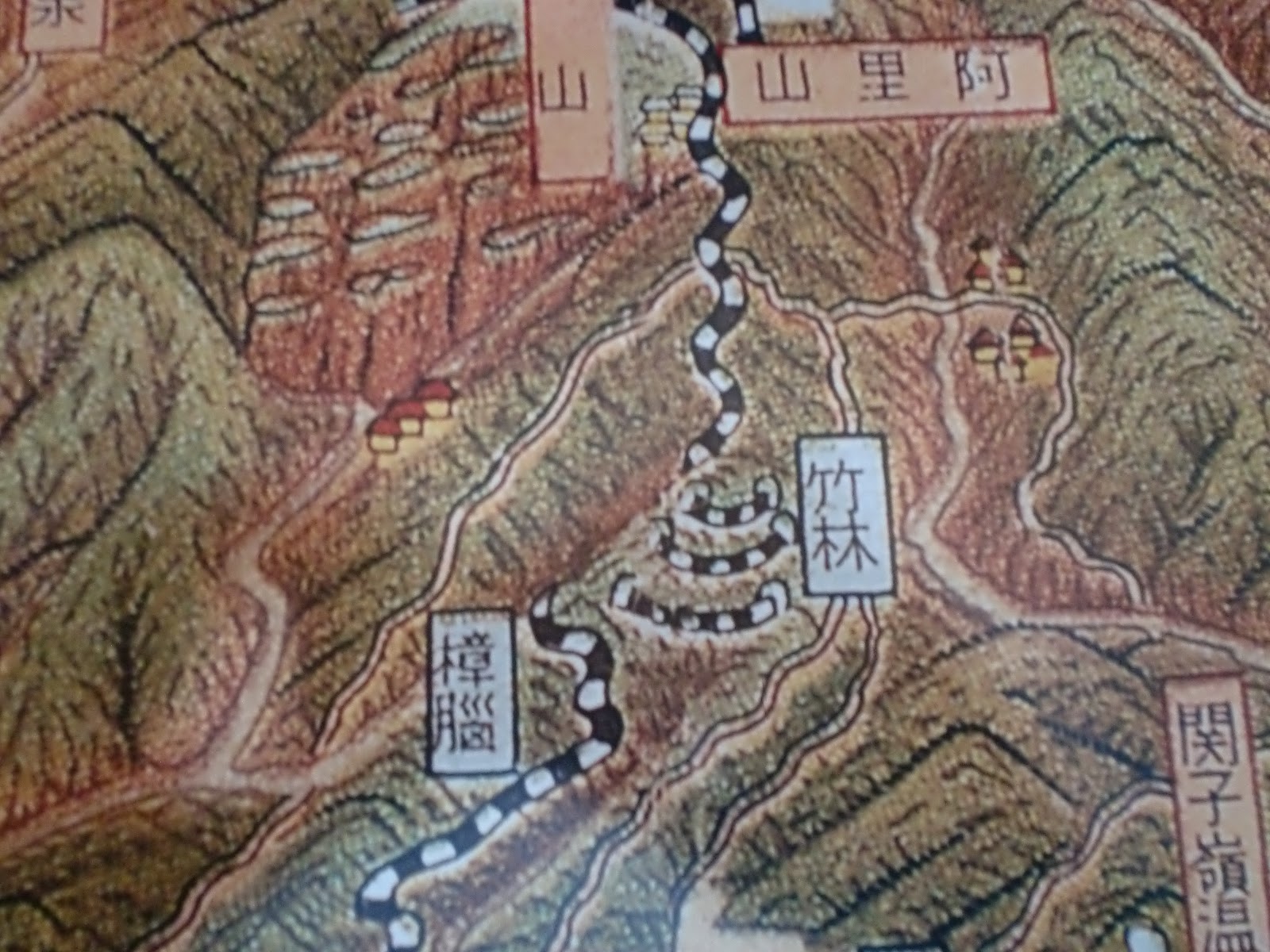
The map below is of the train line to Alishan.  It's from the Japanese era.  The train line actually is pretty much like that since it has to go up into the mountains.
上記の地図は日本時代の台湾の地図だ。熊本にもこういう鉄道線が有る。日露戦争の時に、日本政府は九州を縦断する鉄道を作りたかったけど、ロシアの船によっての被害を恐れたから、山の中を通るやつを作った。其の後、海沿いのやつも作って、(鹿児島本線)それが主な線に成ったけど、その山を通る線が今も残っている。今は殆ど観光客ばかり乗っているけど。「肥薩線」と呼ばれている。面白いので、もしチャンス有れば、乗ってみてね。
この人達知らんけど、皆同じ模様を着ているから凄く気に成った。
I don't know the people in the above picture, but I was captivated by their ensemble attire.


これは孔子廟の玄関の前に有る。ここで馬から降りると言う意味だ。
This stone marks the place in front of the Confucius Temple where you are supposed to dismount from your horse.  I felt foolish for having left my horse at home and missing out on the opportunity to participate in this part of Tainan's cultural heritage.
「台湾の最初の大学」とよく呼ばれている孔子廟は清朝時代にはそう言う教育に関する場所だった。ここで試験受かる人は次福建に行って、そしてまたそこで受かったら、今回は北京でテストを受ける。受かった人は偉い位置の有る公務員に成れた。当時のもっとも望ましい仕事だった。

このシーサー格好いいなぁ。


午後に行ったので、太陽が外壁の後ろに沈んでいる。
We were here in the late afternoon, so the sun did a cool thing behind the walls here.

  次に媽祖の神社に行った。前も書いた事有るけど、「媽祖」は女神の名前だ。元々は福建の少女で、船乗りを守る神様に成った。台湾に媽祖の神社が凄く多い。
We went to a Mazu Temple next.  Mazu was a girl in Fujian way back in the day.  She became a goddess, and she is associated with protecting sailors, so her temples are all over southern China and other areas nearby where Fujianese people went.

媽祖様
この月の形しているやつは占いに使われている。心の中で悩んでいる事を神様に聞いて、下の写真の棒を瓶から引き出す。そして、上記の写真のやつを一セット地面に投げて、両方とも異なっている面が上に成ったら、それは神様の「イェス」だ。一緒に成ったら、それは「ノー」なので、もう一回別の棒を引き出す。「イェス」に成ったら、その棒に書いている数字の棚を開けて、答えが書いて有る紙がそこに有る。複雑だけど、日本の神社に有るおみくじと同じ様な発想だ。
Do you have problems?  Of course you do.  We all do.  Let me tell you about my problems!  Or don't, we don't have time.  But fortunately, in Taiwan we can solve our problems with the help of powers greater than ours.  All you have to do is visit your local temple and take a stick like the one pictured below from out of a vase.  Each stick has a number on it.  Then you throw a pair of the crescent shaped things from the photo above.  If they land with the same side up, then that means the gods have answered "no" and you need to take another stick.  Once you get a "yes", you look at the number on the stick and take a piece of paper or something from a cabinet that's nearby.  This is how you know what to do in life.


ユーロースターにスター


左側は亀だ。右側は俺最近習ったやつだ。「贔屭」と言う。(ビシと発音する。)龍の子の種類だそうだ。
The animal on the left appears to be a turtle.  The one on the right appears to be a Bishi.  It's the child of a dragon and has a turtle's shell.
最後の所は「赤崁樓」(チカンロウと言う、仮名にすればウケる名前)。昔はオランダ人の砦の一つだった。今はシーサーが前を保護している。
The last place we went on this trip was Chikanlou, one of the former Dutch forts in Tainan.


鄭成功と言う、明朝の復活を夢見た人はオランダ人の降伏を受ける。オランダ人は40年間くらい台湾を支配したけど、鄭成功に敗れて、台湾から去って行った。その後鄭さんも清朝に敗れて、台湾が清朝の支配下に置かれた。
These statues commemorate when Zheng Cheng Kung defeated the Dutch in Taiwan and forced them to leave the island they had held for about 40 years.  Zheng was later defeated by the Qing, and they took over Taiwan after that.


石化された動物沢山有る。三葉虫は無かったけど。


物の重さを計る為の道具だ。道具と言っても、重い石と言う、めっちゃ素朴な道具だ。
These stones are for measuring the weight of things brought to the fort.

夜の赤崁樓。綺麗だ!
They light up Chikanlou at night and it looks pretty rad.