Tuesday, May 20, 2014

Gorgeous!/華麗な風景!/絢麗多彩!

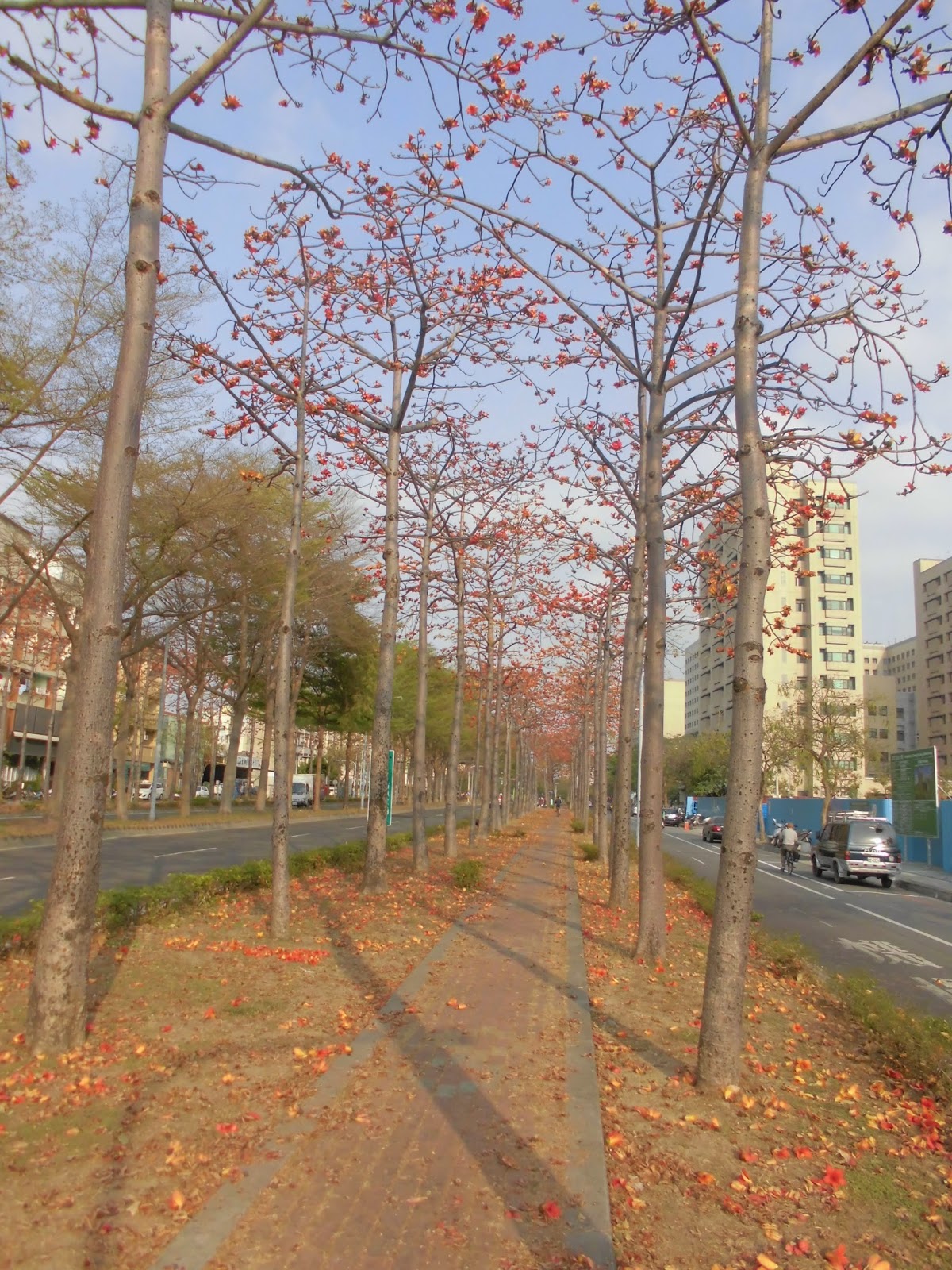
I borrowed the power of the sun the other day and took three of the most beautiful photos I've ever taken.
5月の台南は日差しが強くて、写真を撮るには最適な状況になっている。
我能拍這麼漂亮的照片都是基於春光明媚。

Saturday, May 17, 2014

Takao Station/たかお駅/ㄊㄚㄎㄠ站

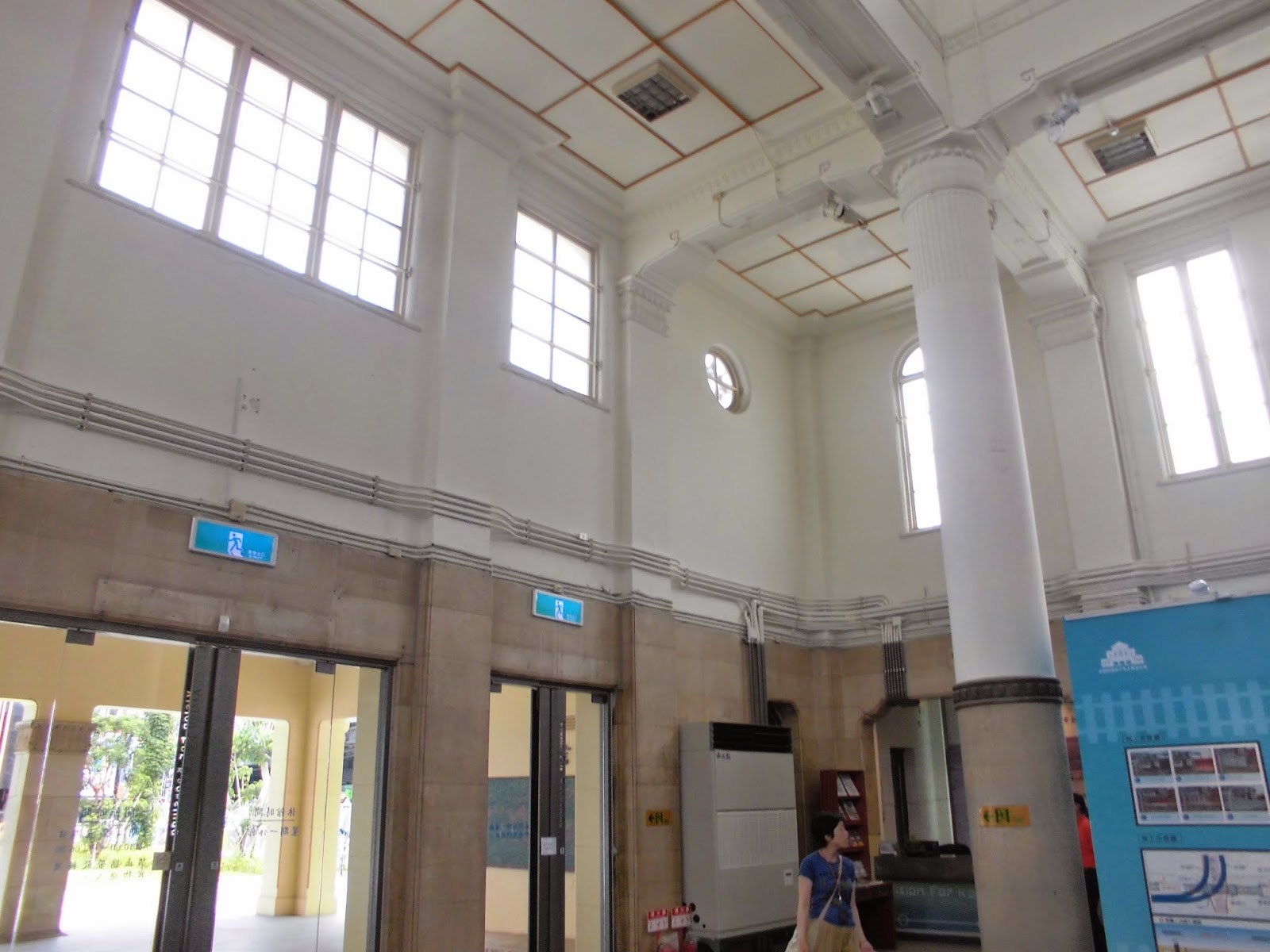
Last weekend I went in to Kaohsiung for a bit, and I took the opportunity to check out the newly reopened, historic Takao Station next to the current Kaohsiung Station.  This station was built during the Japanese period, and it is currently opened as a museum.  I'm calling it "Takao" Station to differentiate it from the current "Kaohsiung" station because "Takao" is the Japanese name for the city, and this station was in use during the Japanese era.

現在利用されている高雄(ガオション)駅舎の隣りに、以前の高雄(たかお)駅舎がある。先週見に行って来た。この駅舎は日本時代に建てられたので、「たかお」駅という日本語の読み方にした。この駅舎は今、博物館として利用されている。

上禮拜我去看看以前的高雄站。最近再開了,裡面算是歷史博物館。這座高雄站是日本時代建的。它在現在高雄站的旁邊。
Ok, guys.  I hate to be mean, but I have to say it.  This sign has been up for what, a couple months?  Already it's missing an "a"!?

まだ何ヶ月しか経っていないのに、既に看板の「a」が無くなっている。オイオイ。

不知道我是否太嚴格,但是我還不禁說:雖然這個看板還很新,可是已經一個「a」不見了。怎麼了!?
しかも、「市」の上の点はなぜか、ペットボットルのキャップになっている。誰かがそこに適当に置いたのじゃなくて、しっかり看板に付着している。どういうこと?

還有,這裡也很奇怪。為甚麼「市」的上面是一個寶特瓶蓋?

Ok, here's the really cool part of this station.  They're currently doing work to put the rail lines coming into Kaohsiung station underground.  In order to do this work, they had to move the historic station (which is right next to the current one) over 40 meters or so.  As you can see in the photo below, they did this by putting the whole station on rails and slowly sliding it over.  When the construction to put the rail lines underground is done, they'll then slide the historic station back over to its original location.

下の写真をご覧ください。現在高雄市は鉄道を地下線路に改造しているところだ。この駅舎は現在の駅舎の隣りにあるので、工事の障害になる。そのため、駅舎を線路に乗せて、40メートル横に移動させた!また、工事が完了したら、元の場所に戻すつもりだ!凄いだろ?

現在高雄市做「鐵路地下化」的施工。因為以前的車站在現在車站的旁邊,所以在站下設備鐵軌,把車站搬到40公尺旁邊。以後,等鐵路地下化做完了,再把車站搬回原本的地方。好酷!

Other cool information about the construction:  The current aboveground rail lines are going to become a bike path once the new, underground ones open.  Good decision, Kaohsiung!

駅舎のガイドによると、新しい地下線路の工事が終わったら、今の線路はサイクリングロードになるらしい。やった!

聽說,以後高雄市打算要把現在地上鐵路當鐵馬遊路。讚!


Some old schematics of the station.

車站畫圖。
駅舎の図

Some Japanese-era photos of Kaohsiung (Takao).

日本時代の高雄市。

日本時代的高雄。


Old rails.  They're American-made.  "Carnegie"

以前の線路はアメリカのカーネギー社の物だ。

在鐵軌寫「Carnegie」。是美國的鋼鐵公司。
Some old signs.
A paper time table.

以前の時刻表。紙の時代は大変だっただろう。コンピューターは本当にありがたいな。

時刻表。沒有電腦這個時代,跟現在比起來工作比較難做吧。
Other historic knick-knacks.

Letters from the post-war period.  At this point Taiwan was now under control of Chiang Kai-shek.  The guide told us that sometimes soldiers didn't have the money on hand to pay for train tickets, and so they would send the money to the station manager by mail at a later date.  That's what these envelopes are.

下の封筒は戦後の物だ。当時、兵士は時々電車に乗るお金がなくて、行き先に着いてから、駅長に切符代を郵便で送っていた。

戰後,有的軍人沒錢買票。他們到了目的地,才把票價寄到站長。

It's still the rainy season, but it was pretty clear this day, so we had some nice, summer clouds.

まだ梅雨だが、この日は見事に晴れて、夏らしい雲がいっぱいあった。

出來了,就看到這漂亮的雲。


Wednesday, May 14, 2014

Tainan in One Photo/ザ・台南/ㄉㄞㄌㄢ

People in Tainan love dogs.  They also ride scooters everywhere.  Hence, dogs in Tainan are expert scooter riders.
台南の人はバイクも犬も大好きで、バイクに乗っている犬をしょっちゅう見掛ける。犬はバイクに乗ることが意外と上手に出来る。
我認為臺南人也喜歡狗,也喜歡機車。我平常看到騎車的小狗。向來我都沒想到小狗騎車騎得這麼拿手,來臺南才知道。

Sunday, May 11, 2014

The Plum Rains/梅雨/梅雨

I mentioned in my last post that we are now in the rainy season here.  The season is poetically named "Plum Rains" in Chinese.  Because of the tilt of the earth, and the effect of the Himalaya mountains to our west on the winds, every year East Asia experiences a rainy season in spring.  It arrives earlier in southern areas like Taiwan and the Ryukyu islands in Japan.  Here in Tainan, the season's start perfectly coincided with the start of May this year.  Up in Japan, Korea and northern China though, the rainy season comes a month later in June.
I've always liked this season, ever since I lived in Japan.  Sometimes it's a pain that it rains every day, but thanks to the rain, everything turns green and beautiful.  More importantly for us in southern Taiwan, without this rainy season we'd probably have droughts every year.  It barely rains at all in the winter in southern Taiwan, and the sun is strong and the weather not particularly cold, meaning that there is a lot of evaporation.  Most of the rain that falls throughout the year falls during the rainy season, or during the typhoons that pass through in the summer.
Because it's been raining just about every day here recently (though, admittedly, as I write this, it is sunny out) I'm going to post some nice, sunny flower photos that I took last month here.

日本より一ヶ月も早いけど、台湾は既に梅雨入りをした。琉球列島と同じく、台湾では五月から六月にかけて梅雨が続く。今年は去年より雨が多い気がする。五月一日からほぼ毎日雨が降っている様だ。
不便でもあるが、実は私は日本に住んでいた頃から梅雨が好きだった。雨のお陰で、周りが全部潤って緑になってくる。現在住んでいる台南にとっては梅雨が特に大事だと思う。台湾南部は冬、雨がほとんど降らないし、日差しが強くて、天気が寒くないせいで、蒸発は冬でもけっこう進むのだ。もし梅雨がなければ、恐らく毎年春に旱魃に遭うだろう。
梅雨の雨はありがたいが、やはり毎日降るのは困る事もあるので、先月梅雨前に撮った晴れた日の花の写真を載せとこう。

在臺灣梅雨已經開始吧。今年好像剛好從五月一號下起雨來了。差不多每天下的雨,有時候也覺得很麻煩,但是我們不得不記得是因為有梅雨,所以沒有旱魃。我搬到臺南知道這裡冬天雨這麼少,就嚇了一跳。我的家鄉紐約,一年中甚麼季節雨量都差不多。不過臺南把冬天跟夏天比起來,真的不一樣。

為了忍受每天的下雨,我想把一些上月拍,青天的照片貼在部落格。


Saturday, May 10, 2014

Paifang/牌坊という門/牌坊

I saw this pretty Paifang (arch) the other day and took a photo.  I liked how it turned out with the sun just behind it.

I don't know much about these arches--I didn't even know the name for them until I looked it up on Wikipedia just now--but you can see them all over the place in Taiwan.  They remind me of Japanese Torii.  Japanese torii may or may not have been brought over to Japan with the introduction of Buddhism, but they're actually more commonly associated with Shinto shrines than with Buddhist temples.

There may be a historical connection between Chinese paifang and Japanese torii (or maybe not) but in Taiwan there often is a connection.  When the Chinese Nationalists took over Taiwan in 1945, they were just finishing up an 8-year war with Japan.  Taiwan had been under Japanese administration as a colony for 50 years at that point and was fairly Nipponified in many ways.  The government of the island, like the rest of the empire, had set up Shinto shrines in every neighborhood of the island.  As a result, there were also torii all over Taiwan.  The Chinese Nationalists--having just fought a war with Japan and having no love for anything Japanese, and also in an effort to Sinicize Taiwan and legitimize their rule--set about dismantling and destroying anything that they deemed to be too Japanese.  This included a lot of Shinto shrines and their accompanying torii.  However, there are some interesting cases were shrines remained and became Taoist shrines, or where torii remained and had additions attached to them to make them look a little more Chinese so that they could pass as paifang.

That's not to say that this particular arch is one of those.  It looks pretty new to me, so I don't think it dates back to the Japanese period.  But I thought it was an interesting story nonetheless.

下の写真は鳥居じゃなくて「牌坊」という門だ。牌坊と鳥居は凄く似ているが、直接に繋がっているかどうかははっきりしていない様だ。まずは、日本の鳥居は元々日本にあった物か、仏教と一緒に日本に渡って来た物かは分かっていない。

しかし、台湾の場合は鳥居と牌坊は関係している例もたくさんある。なぜなら、台湾は50年間日本の植民地で、その間に日本化はかなり進んだ。当時の大日本帝国の他の地域と同じく、全島に地域毎に必ず神社が建てられて、鳥居が付いた神社ももちろん多かった。それで、1945年に中華民国の政府が台湾に渡って来て支配した当時、台湾は鳥居だらけな島になっていた。8年間日本と戦争した中華民国はこれを嫌がって、徹底的に台湾を中華化しようとした。(台湾と中国の民族をより近くにして、自分の支配を正当化するという目的ももちろんあった。)そこで日本らしいものは基本的に禁止されて、そういったものを壊したり、形を変えたりしていた。時々鳥居に飾りとかを付けて、牌坊にしたという例もある。

この牌坊は別にそういう一つの例ではないが、私は牌坊を見るとよくこの話が頭に浮かんで来る。
我把這個牌坊拍到時候,我沒注意到太陽剛好在後面,可是看照片的時候我就覺得很漂亮。

其實每次我看到牌坊,我就想起來以前聽到的事情。在日本有東西叫做「鳥居」(ㄊㄡㄌㄧㄧ)。鳥居很像牌坊,但是不一定跟牌坊有關係。不過,在臺灣有的牌坊原來是鳥居!因為臺灣是日本50年統治的,所以1945年中華民國來統治臺灣時,臺灣曾日化了很多。統治臺灣的日本政府建很多神社(日本的廟)全島到處都有鳥居。把日本看成敵國的中華民國馬上開始讓臺灣人脫日戴華。(<--是我自己想出來的成語。好酷吧。)政府把很多鳥居弄壞了,但是也有一些鳥居改變了之後,就開始當牌坊。我覺得上面的照片,因為看起來太新建,所以應該不是一個這樣的例子。沒關係!還是有趣的話吧?

Wednesday, May 7, 2014

Spelling in Taiwan (again)//台湾での綴り方(続編)/拼音的方法

It's officially the rainy season here!  It's actually rather nice because the cloud cover seems to have cooled things off bit.
I came across another interesting example of the looseness of spelling Mandarin in Taiwan.  We have here a local high school that has spelled its name two different ways on signs that are right near each other.  (The sign from the photo is just to the left of the entrance, and the bottom photo is the facade of the school as seen from the main entrance.)  "DACHENG" or "DA-CHERNG"?  Anything goes!

台湾はもう梅雨入りだ!台湾も沖縄みたいに日本より一ヶ月早く梅雨入りする。
台湾はマンダリン語の綴りに対して、けっこう態度が緩いとは以前も書いたが、この間とてもいい例を見付けた。下の写真は台南の高校の写真だけど、玄関の隣りの看板には「DACHENG」と書いているのに、学校の正面には「DA-CHERNG」と書いている。全然統一していない。因みに、これはよくある現象だ、珍しくない。

以前我也對於在臺灣的拼音有寫過。很鬆軟(有人也說:很隨便)。我找到一個很好地例子。下面的照片都是在臺南的高中。雖然在正門旁邊的看板寫「DACHENG」,可是在學校正面寫「DA-CHERNG」。在臺灣我常常看到這樣的現象。


Saturday, May 3, 2014

Hayashi Department Store/林デパート/林百貨

The Hayashi Department store is a beautiful Japanese-era building in Tainan.  It was a large and stunning building in its time, and it had the second elevator ever to be built in Taiwan.  It's currently closed, but they're working on it right now, and it will probably be open again sometime in the near future.

林百貨は台南にある日本時代(昭和7年)の建物だ。台湾で二番目に古いエレベーターを持っているこの建物は当時かなり衝撃的だったのだろう。現在は工事だから、近いうちに再開するだろう。

我平常通過林百貨的前面。現在像在改建中。我很盼望再開門時候!我想看裡面。


The view's a little less impressive from the back...

I saved this for last because I can't compete with these photos.  Check out this blog for some really nice photos of the department store's interior.

私の写真はこのブログの写真に絶対敵えないので、最後にここに付けとく。是非見て下さい!

請看看!這裡的照片非常好!